CTET — syllabus, pattern aur preparation material
CTET CBSE conduct karta hai, central schools me teacher eligibility ke liye.
CTET — ek nazar me
| Exam | CTET |
|---|---|
| Conducting body | CBSE |
| Kiske liye | central schools me teacher eligibility |
| Category | Teaching |
Exam overview
CTET yaani Central Teacher Eligibility Test ek eligibility exam hai jo ye check karta hai ki aap primary ya upper-primary level par padhane ke liye professionally taiyaar hain ya nahi. Ise Central Board of Secondary Education (CBSE) conduct karta hai, aur iska framework Right to Education Act ke us provision se aata hai jisme kaha gaya hai ki school teacher banne ke liye ek minimum qualifying standard hona chahiye. Exam do alag papers me banta hai — ek unke liye jo Classes I se V padhana chahte hain, aur doosra unke liye jo Classes VI se VIII padhana chahte hain. Jo dono levels ke liye eligible banna chahta hai, wo dono papers de sakta hai.
Ye exam un logon ke liye matter karta hai jo Kendriya Vidyalaya, Navodaya Vidyalaya, central government ke under aane wale schools, aur bahut saare private CBSE-affiliated schools me teaching job chahte hain. Kai state government aur private school bhi CTET certificate ko eligibility proof ke roop me accept karte hain. Matlab ye ek single certificate hai jo aapke liye ek saath kai recruitment doors ko unlock karta hai — lekin khud koi door khol kar andar nahi bitha deta. Kaunse schools kis form me ise accept karte hain, wo unke apne recruitment rules par depend karta hai, isliye jis job ke liye aap taiyaari kar rahe hain uske notification me ye zaroor check karein.
Sabse badi galatfahmi yahi hai: log CTET ko recruitment exam samajh lete hain. Ye recruitment exam nahi hai — ye qualifying exam hai. CTET qualify karne se aapko teaching job nahi milti; aapko sirf ye adhikar milta hai ki aap teacher recruitment ke liye apply kar sakein. Actual job KVS, NVS, state boards ya private schools ke apne alag recruitment process se aati hai, jisme apna written test, demo class ya interview ho sakta hai. Doosri common galatfahmi ye hai ki log ise "bas ek aur general-knowledge exam" maan lete hain. Nahi — CTET ka focus subject content ke saath-saath pedagogy par hai, yaani ye poochta hai ki aap bachche ko kaise padhayenge, uski galti ko kaise samjhenge, aur uske sochne ke tareeke ko kaise handle karenge. Ye distinction poori preparation strategy badal deta hai.
Selection stages
- Paper selection: Sabse pehla decision — Paper I (Classes I–V), Paper II (Classes VI–VIII), ya dono. Ye aapki qualification aur career target par depend karta hai, guess par nahi. Eligibility conditions official notification se confirm karein.
- Online application aur document details: Qualification, category aur subject option carefully bharna hota hai, kyunki Paper II me subject group ka choice yahin lock hota hai. Language I aur Language II ka selection bhi isi stage par hota hai, aur baad me badalna aam taur par possible nahi hota.
- Written exam (objective, MCQ-based): Yahi ekmatra decisive stage hai. CTET ka apna koi interview, koi demo class aur koi separate second round nahi hota — poora result isi ek paper par tay hota hai. Isliye ek hi din ka performance sab kuch hai, aur isiliye accuracy aur time management ki value doosre exams se zyada hai.
- Answer key aur objection window: Provisional answer key ke baad challenge karne ka mauka milta hai. Ye stage log ignore kar dete hain, jabki ek genuinely galat key ka correction result badal sakta hai. Challenge ki fees, format aur last date official notice se hi confirm karein.
- Result aur eligibility certificate: Qualify karne par CTET certificate milta hai. Qualifying marks, category-wise relaxation aur certificate ki validity period ke rules samay-samay par badle hain — inhe hamesha current official notification se hi confirm karein.
- Uske baad ka alag recruitment: KVS, NVS, state ya private school ka apna recruitment process — CTET score ko kaun kitna weightage deta hai, ye har recruiting body apne rules me batati hai.
Subjects & syllabus areas
- Child Development and Pedagogy (dono papers me): Child development ke concepts, individual differences, inclusive education, special needs aur disadvantaged group ke learners, learning theories, motivation, assessment aur evaluation ke principles, aur learning me galti ka role. Ye section dono papers me common hai aur sabse zyada strategically important hai.
- Language I: Aapki chuni hui medium language — unseen comprehension passages plus language pedagogy: language acquisition aur learning ka antar, listening-speaking-reading-writing skills develop karna, remedial teaching, evaluation, aur classroom me multilingualism.
- Language II: Language I se alag ek doosri language — isme bhi comprehension aur language pedagogy dono aate hain. Ye sirf grammar ka exam nahi hai; ye "aap language kaise sikhaenge" ka exam hai.
- Mathematics (Paper I): Numbers, addition-subtraction-multiplication-division, shapes aur spatial understanding, measurement, weight, time, money, data handling, patterns — plus maths pedagogy: maths ki nature, curriculum me uski jagah, language of mathematics, evaluation, teaching ki problems aur error analysis.
- Environmental Studies (Paper I): Family aur friends, food, shelter, water, travel, aur "things we make and do" jaise thematic areas — saath me EVS pedagogy: concept aur scope, integrated approach, experimentation, discussion, continuous evaluation, teaching material.
- Mathematics & Science (Paper II ka ek option): Number system, algebra, geometry, mensuration, data handling; Science me food, materials, living world, moving things, natural phenomena, natural resources — saath me science pedagogy: nature of science, observation aur experiment, problem solving, remedial teaching, innovation.
- Social Studies / Social Science (Paper II ka doosra option): History, Geography aur Social and Political Life ke broad areas — plus social science pedagogy: concept aur nature, class-room processes, source-based learning, critical thinking, evaluation.
Paper II me Maths & Science ya Social Science me se ek chunna hota hai — aapke subject background aur target teaching post ke hisaab se. Exact paper structure, question count, marking scheme aur duration official notification se confirm karein, kyunki ye cheezein revise hoti rehti hain.
Preparation strategy
Sabse pehli baat: CTET ka syllabus level NCERT ke school-level content par based hai, lekin questions us content ko teacher ke nazariye se poochte hain. Isliye preparation ki neev NCERT textbooks hain — Paper I ke liye Classes I–V aur Paper II ke liye Classes VI–VIII ki NCERT books. Inhe "bachchon ki kitaab" samajh kar skip karna sabse mehnga mistake hai. Inhe aise padhein jaise aapko kal class me ye topic padhana hai: har concept ke saath socha karein ki bachcha yahan kahan atak sakta hai, uski typical galti kya hogi, aur aap use kaise samjhayenge. Jaise NCERT Class III ke EVS chapter me "family tree" ya Class V Maths me "area aur perimeter ka farak" — yahi wo jagah hain jahan se pedagogy-style questions bante hain.
Early phase me do kaam karein. Pehla — Child Development and Pedagogy ko theory ki tarah nahi, examples ki tarah padhein. Piaget, Vygotsky ya Kohlberg jaise naam ratne se kaam nahi chalta, kyunki paper aapse definition nahi poochta; wo ek classroom situation deta hai aur poochta hai ki isme kaunsa principle kaam kar raha hai. Har theory ke saath do-teen real classroom examples khud likhiye — jaise scaffolding ka matlab practically kya dikhta hai, ya ek bachche ka "8 + 5 = 13" ki jagah "813" likhna kaunsi conceptual gap dikhata hai. Doosra — apni dono languages ab hi final kar lein aur Paper II me subject group chun lein, taki aapka poora revision cycle usi combination par chale.
Middle phase content coverage ka hai. NCERT ko topic-wise complete karte jaayein, aur saath-saath ek "pedagogy notebook" banayein jisme har subject ke teaching-learning material, evaluation ke tareeke, common misconceptions aur remedial strategies likhte jaayein. Isi phase me previous years ke papers lagana shuru karein — sirf solve karne ke liye nahi, pattern samajhne ke liye. Aap dekhenge ki CTET ke kai questions ek hi concept ko alag-alag situation me ghumakar poochte hain: inclusive education, continuous and comprehensive evaluation, constructivist classroom aur error-as-learning jaise themes baar-baar naye wording me laut kar aate hain. Jab aap ye repetition pehchan lete hain, toh aapki guessing kaafi kam ho jaati hai.
Final phase poora mock-test aur error-analysis par hona chahiye. Ek full-length paper poore time-frame me deni chahiye, aur uske baad kam se kam utna hi time answer review par lagana chahiye. Har galat answer ko teen buckets me daalein: concept nahi pata tha, concept pata tha par option padhne me jaldbaazi ki, ya do options ke beech confuse hue. Teesra bucket sabse zyada valuable hai, kyunki CTET me kai options "thoda sahi" lagte hain aur sirf ek "sabse sahi" hota hai — aksar wahi option jo bachche ki galti ko punish karne ki jagah samajhne par focus karta hai. Us best-answer sense ko develop karne ka koi shortcut nahi, sirf structured review hai.
Language sections ko last week ke liye mat chhodiye. Comprehension passages regular practice se hi speed pakadte hain, aur language pedagogy apne aap me ek poora content area hai jisme errors, remedial teaching aur evaluation ke concepts baar-baar aate hain. Isi tarah EVS ya Social Science ko "padhne ki zarurat nahi, general knowledge hai" samajh kar chhodna nuksaan deta hai — inke pedagogy portion bilkul specific hote hain. Aur agar aap dono papers de rahe hain, toh CDP aur languages ki common tayyari ka fayda uthaayein, lekin Paper II ke subject portion ke liye alag dedicated time block zaroor rakhein.
Common galtiyan
- Pedagogy ko ratna, samajhna nahi: Theory ke naam yaad rakhne se situation-based questions nahi bante. Iske badle har concept ko ek classroom example se jodiye aur khud se poochiye "ye bachche ke saath kaisa dikhega".
- NCERT skip karke sirf guide books padhna: Guides summary dete hain, examples nahi. Base NCERT hona chahiye; guide ya coaching material sirf revision aur practice layer ki tarah use karein.
- Language II ko halke me lena: Log doosri language ko "easy" maan kar chhod dete hain aur wahi section poora score gira deta hai. Dono languages ko barabar practice dijiye — comprehension aur pedagogy dono me.
- Paper II me subject group soch-samajh kar na chunna: Doston ki dekha-dekhi Maths & Science chun lena tab bekaar hai jab aapka background Social Science ka hai. Choice apni strength aur target post ke hisaab se karein, kyunki iske baad ka poora syllabus isi par tikta hai.
- Pedagogy questions me "strict teacher" wala option chunna: CTET ka framework child-centred hai. Jis option me bachche ko daantna, sharminda karna ya sirf ratne par zor dena ho, wo aam taur par expected answer nahi hota — expected answer wo hota hai jo bachche ki galti ko learning ka step maanta hai.
- Mock test dena, lekin analysis na karna: Sirf score dekhna time waste hai. Har test ke baad galat questions ko concept-gap, jaldbaazi aur confusion me classify karein, aur agla week usi sabse bade bucket par kharch karein.
- Purane pattern aur purane rules par bharosa karna: Paper structure, qualifying criteria aur certificate validity samay ke saath badle hain. Kisi purane blog ya forward ke numbers par plan mat banaiye — har cycle me official notification khud padhiye.
FAQs
CTET qualify karne se teaching job pakki ho jaati hai kya?
Nahi. CTET ek eligibility test hai, recruitment exam nahi. Qualify karne par aapko eligibility certificate milta hai jiske aadhaar par aap teacher recruitment me apply kar sakte hain. Actual appointment us school ya organisation ke apne recruitment rules, vacancies aur selection process par depend karta hai.
Paper I aur Paper II me se kaunsa doon?
Ye aapke teaching target par depend karta hai. Paper I Classes I–V padhane wale candidates ke liye hai aur Paper II Classes VI–VIII ke liye. Agar aap dono levels ke liye eligible banna chahte hain toh dono papers de sakte hain. Kis paper ke liye aap eligible hain, ye aapki educational aur teacher-training qualification par nirbhar karta hai — official notification se confirm karein.
Kya CTET sirf NCERT se padhne par nikal jaata hai?
NCERT base zaroori hai, lekin akela kaafi nahi. Content NCERT level ka hota hai, magar questions pedagogy angle se aate hain — yaani concept ko padhane, samjhane aur assess karne se juda hua. Isliye NCERT ke saath child development, learning theories aur subject-wise teaching methods ki alag tayyari bhi karni padti hai.
Language I aur Language II me kya farak hai?
Dono alag languages honi chahiye. Language I aam taur par wo language hoti hai jisme aap padhane me comfortable hain aur uska focus aapke teaching medium par hota hai, jabki Language II ek doosri language hai jiska focus us language me aapki proficiency par hota hai. Dono sections me comprehension aur language pedagogy dono aate hain. Available language options official notification me diye jaate hain.
Certificate kitne samay tak valid rehta hai?
CTET certificate ki validity se jude rules samay-samay par badle hain, isliye kisi purane number par bharosa na karein. Apni attempt ke samay ki official notification ya CBSE ki official CTET website par diye gaye latest provision se hi validity confirm karein.
Official website: ctet.nic.in — latest notification, dates aur eligibility hamesha yahin se confirm karein.
CTET ke liye notes
Toppers ke banaye handwritten colour notes — PDF turant, printed ghar tak.
 Sale
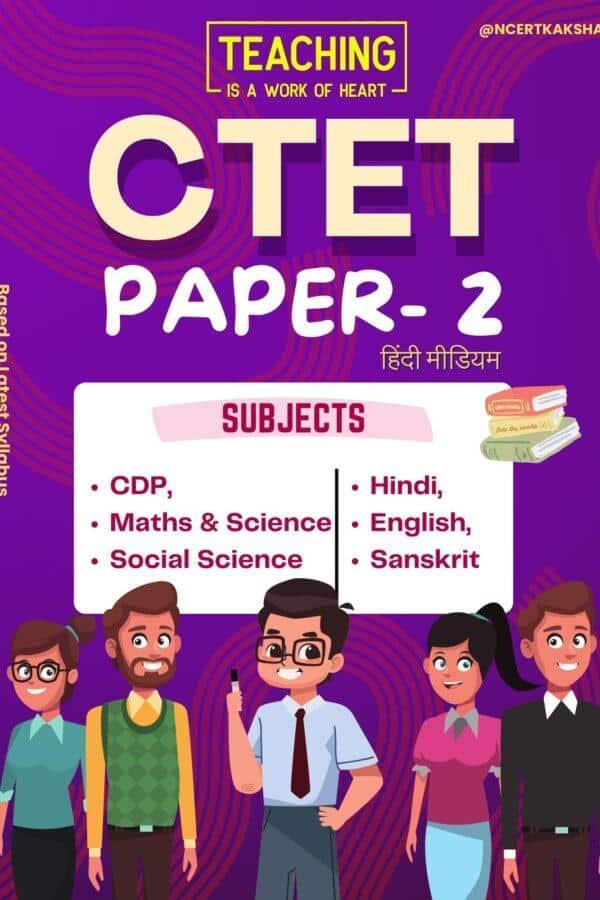
CTET Paper 2 Topper Handwritten Notes (The Best) | Digital Handwritten Notes | Based On Latest Syllabus pdf
★★★★★
4.8 (43)
Price range: ₹448.99 through ₹598.99
 Sale
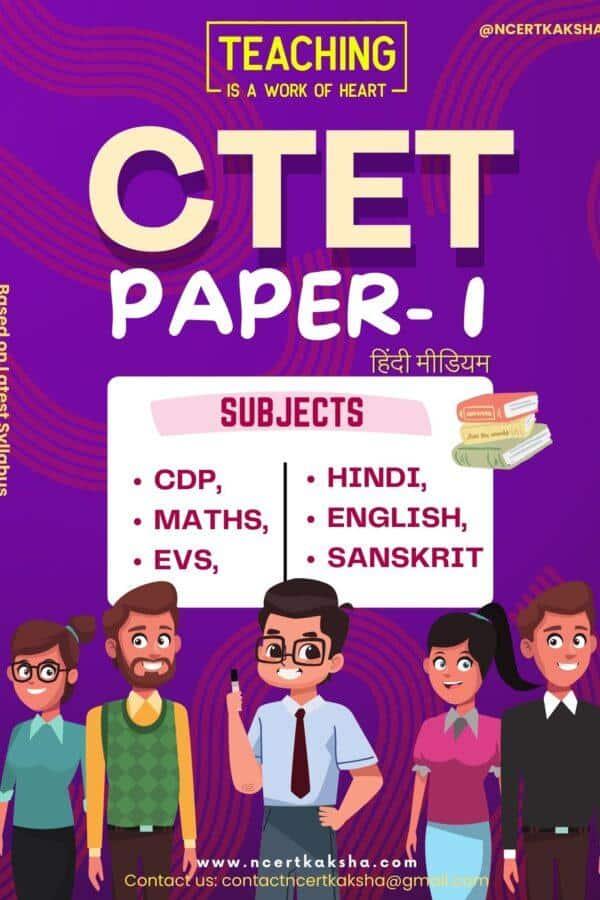
CTET Paper 1 Topper Handwritten Notes (The Best) | Digital Handwritten Notes | Based On Latest Syllabus
★★★★★
4.8 (13)
Price range: ₹448.99 through ₹598.99